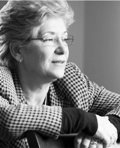
Edi Shukriu 1ResurrectionBeat drums of my tribe beatmade of my skinbeat louder and louderbreak open the membrane of my souland my heartmaybe this will bring my resurrectionI want to danceto the pagan rhythms until my heels are bloodyfrom the sharp edges of the scattered stonesuntil my body crashes against the walls of a rotten mindthenlet them call me an animallet the snakes laugh at ...
Edi Shukriu
1
ResurrectionBeat drums of my tribe beat
made of my skin
beat louder and louder
break open the membrane of my soul
and my heart
maybe this will bring
my resurrection
I want to dance
to the pagan rhythms
until my heels are bloody
from the sharp edges of the scattered stones
until my body crashes
against the walls of a rotten mind
then
let them call me an animal
let the snakes laugh at me
I don’t give a damn
I want the drums to beat
/Syri i Natës, Rilindja, Prishtinë, 1986. Translated by Anna Guercio and Tomislav Kuzmanović/1
RésurrectionBattez tambours de ma lignée, battez
Vous êtes faits de peau de mon corps
et pour cela battez fort et plus fort
que se déchirent les oripeaux de l'âme
et du cœur avec lui
peut être porteront-ils la résurrection –
Je veux danser au rythme
de la musique païenne
jusqu’à faire saigner mes talons
contre les pierres saillantes déplacés
et le corps faire briser
sur les murs
des esprits moisies
Et après...
qu’ils disent de moi, que je suis une bête sauvage
qu'ils se moquent de moi, les serpents
je m'en fiche!
Je veux que les tambours battent.
/Trad. Sabrina Gentiana Tonuzi/2
Chariot of FireThough they try hard to convince us
that the chariot of fire is
just a fantasy
we keep filling it with
the blazing sun
and stretch out our hands
though we may catch fire
/Nënqielli, Rilindja, Prishtinë, 1979. Translated by Anna Guercio and Tomislav Kuzmanović/2
Le char du soleil Ils ont tenté souvent
à nous faire croire
que le char du soleil
c’est de la pure fantaisie
nous y mettons pourtant
le Soleil flamboyant
et soulevons les mains
vers ce luminaire sacré
pour nous armer de feu.
/Nënqielli /Le ciel inférieur/, Rilindja, Prishtinë 1990. Trad. Shpëtim Doda/3
Hammurabi’s CodeArticle 226: If a barber cuts out a slave's branding, cut off the barber's hands.
Article 282: If a slave says to his master: “you are not my master,” cut off the slave's ear.
Article 231: If a man kills another man's slave, he must replace it.
Under Article 226
of Hammurabi’s Code
yesterday
they cut off my fingers
because I tried to make
the oppression's brand a thing of the past.
Under Article 282
of Hammurabi’s Code
last night
they mutilated my face
because I tried to bring
the song of birds from the future
into the present.
They killed me at dawn
under Article 231
of the same code
and replaced me, they believe,
with another slave.
Poor bastards, they don’t know it's always me again
with another hundred fingers
with another hundred thousand ears
and
with a single iron will
forged by generations.
/Sonte zemra ime feston /Tonight My Heart Celebrates/, Rilindja, Prishtinë, 1972. Translated by Anna Guercio and Tomislav Kuzmanović/3
Le code d’Hammourabi Article 226: Si un barbier rase la marque d’un esclave, les mains de ce barbier seront coupées.
Article 282: Si un esclave dit à son maître: “tu n’es pas mon maître, toi”, son maître coupera l’oreille de cet esclave.
Article 231: Si un homme fait mourir l’esclave d’un autre homme, il devra lui fournir un esclave équivalent.
Hier matin,
suivant à la lettre
l’article 226
du Code d’Hammourabi,
ils m’ont coupé les doigts
parce que j’ai voulu faire
de la marque de la misère
une chose du passé
Hier soir,
suivant à la lettre
l’article 282
du Code d’Hammourabi,
ils m’ont balafré le visage
parce que j’ai voulu faire
vibrer au présent
le chant des oiseaux
à venir
Ce matin,
suivant à la lettre
l’article 231
du même Code,
ils m’ont tuée
et remplacée, ils croient,
par un autre esclave.
Ô pauvres crétins!
vous n’arrivez pas à saisir
que lui c’est toujours moi,
qui a des milliers de doigts,
des milliers d’oreilles,
et un seul souhait de fer
forgé de génération
en génération.
/Sonte zemra ime feston, Rilindja, Prishtinë, 1972. Trad. Shpëtim Doda/4
Sacrifice For so long we've waited
for God
to steal from himself—
to give heaven to the earth
Those few who saw
the god within them
put their shoulders to the wheel of life
to set humanity in motion
Their sacrifice
is hope
for heaven on earth
/Përjetësi, Dukagjini, Peja, 2001. Translated by Anna Guercio and Tomislav Kuzmanović /4
Le sacrificeOn a attendu longtemps -
bien longtemps -
à ce que Dieu se fasse voler
par lui-même
et qu’il fasse descendre
le Paradis
sur la Terre.
Les hommes qui parlaient
de Dieu et le portaient en soi
quoiqu’en petit nombre
ils devinrent les roues de la vie
afin de mettre en mouvement
toute l’humanité.
Leur sacrifice
nous donne de l’espoir
pour transformer la Terre
en Paradis.
[Nënqielli /Le ciel inférieur/, Rilindja, Prishtina,1990. Trad. Shpëtim Doda]5
Away from OneselfBeneath shady oak trees
western light
a symphony of leaves in the eternal calm
a light breeze brings a sense
of peaceful solitude
surrounded by cornet bushes and Dardanian pears
away from prying eyes and curious ears
away from the self that got sold to civilization.
How far does one have to run
to be at peace with oneself?
In my mind, sharp fangs sneak up behind me
snakes coil around my neck
the birds’ wings swell
a demon lurks behind every tree
spurred by fear, my legs grow fast
run away
away from myself toward myself.
/Nënqielli, Rilindja, Prishtinë, 1990. Translated by Anna Guercio and Tomislav Kuzmanović/5
ĖVADĖ DE SOI-MMEEntre les chênes dont l'ombre s'allonge
sous le soleil couchant
éternelle symphonie de la paix des feuilles
une brise donne a sentir
la
une brise donne a sentir
la seine solitude
entre les poiriers et cornouillers d'essence dardane
loin des yeux trop curieux des oreilles indiscrete
du moi esclave du mone civilisé
combien de temps devra durer sa fuite
pour que l'homme enfin se libère de lui-même
des dents pointent dans la tête
des serpents pointent s'enrouler autour du cou
les ailes des oisseaux s;etirent plus encore
chaque arbre cache un fantôme aux aguets
la peur fait prendre la course
s'elancer des le point de départ
se quitter soi-meme en quete de soi-même
/Nënqielli /Le ciel inférieur/, Rilindja, Príshtinë, 1990. Trad. Alexandre Zotos; 1998, Alexandre Zotos, Anthologie de La Poesie Albanaise, La Poligraphe, Éditions Copm’ Act, Chambéri /France/, p. 358] 6.
BUSTI ILIRSodis me ditë
me natë
bukuria më magjeps
Në përqafim të kohës
të solla unë
o
më more me vete
Buzeqeshja e vrarë
në mermer skalitur
Shikimi i zënë
vuajtjen ringjall
Sillet valle e fatit
Sy më sy soditemi
ti e veshur në mermer
unë mermer
Në ballin tënd pa rrudha
zhduken të miat
6
Illyrian BustI watch you for days
And nights
Your beauty astonishes me
I took you
Into the embrace of time
Or
I was stolen by you
Wounded smile
Chiseled into marble
Captured look
Brings back the suffering
The wheel of fortune keeps spinning
We look into each other’s eyes
You're dressed in marble
I am marble
On your unwrinkled forehead
Mine disappear
/Translated by Anna Guercio and Tomislav Kuzmanović/2
Le buste illyrienneJe contemple jours
et nuits
envoutée par cette beauté
à l'accolade du temps
est - ce moi qui t'ai ramenée
ou
plutôt toi qui m'a porté
Le sourire blessé
gravé sur le marbre
De ton regard voilé
la souffrance renait
Tourne, la farandole du destin
On se regarde dans les yeux:
toi vêtue de marbre
moi, le marbre
Sur ton front sans rides
les miennes disparaissent
/Trad. Sabrina Gentiana Tonuzi/BIO:
Edi Shukriu është shkrimtare, profesor universiteti dhe politikane. U lind në Prizren [Kosovë], më 1950, nga prindërit Margarita Mjeda dhe Muhamed Shukriu. Kreu studimet në Fakultetin Filozofik - Dega e Arkeologjisë [1972] dhe magjistraturën në Universitetin e Beogradit [1979]. Doktoroi në shkencat historike në Universitetin e Prishtinës [1990]. Ligjëron në Universitetin e Prishtinës [Arkeologjia, Historia e Lindjes së Lashtë, Historia e Greqisë dhe Romës. Aktiviteti shkencor dhe profesional i fokusuar në çështjet e dardanëve/ilirëve dhe relacionet me popujt fqinj, si dhe në mbrojtjen dhe prezantimin e trashëgimisë kulturore, si vlera universale. Aktualisht është kryetare e Këshillit të Kosovës për Trashëgimi Kulturore dhe nënkryetare e PEN Qendrës së Kosovës. Krijimtaria letrare përfshin gjashtë libra me poezi dhe tri drama, pos librave dhe artikujve shkencor. Bëri hulumtime arkeologjike në lokalitetet e Kosovës dhe nga viti 2006 gërmon në qytetin antik të Ulpianës, si pjesë praktike e Universitetit Veror të Prishtinës.
Ndërtoi karrierë të suksesshme politike, duke kontribuar në krijimin e shtetit të Kosovës dhe zhvillimin e proceseve demokratike. Ishte lidere e lëvizjes paqësore të Kosovës, themeloi Forumin e Gruas të Lidhjes Demokratike të Kosovës [1990] dhe ishte kryetare e saj gjatë viteve 1995-2000. Ishte organizatore dhe lidere e demostratave të shumta të grave kundër regjimit serb dhe fuqimisht u angazhua për pjesëmarrjen e gruas në nivelet e vendimmarrjes, në jetën publike dhe për jetësimin e barazisë gjinore. Ishte Bashkë-Drejtuese e Departamentit të Kulturës-UNMIK [2000-01], deputete e Parlamentit të Kosovës [1992-98; 2002-04], Zv.Ministre e Punëve të Jashtme [1992-98]. Ishte ndër politikanët e parë që ngriti zërin kundër korrupcionit dhe një prej zërave të fuqishëm për zgjedhje me lista të hapura. Ndonëse në pozitë udhëheqëse dhe pasi që refuzoi postin e Minsitrit të Kulturës, bashkëthemoi partinë reformiste Alternativa Demokratike e Kosovës [2004], duke pasur mëtim vetëdijesimin e votuesve dhe parandalimin e rrjedhave negative që kishin nisur në Kosovën e pasluftës. Mori Çmimin Shkencor Gani Bobi për librin Dardania protourbane [1996] dhe Çmimin e lartë të Shoqatës së Shkrimtarëve të Kosovës për përmbledhjen poetike Nënqielli [1990]. Ishte Visting Scholar në Universitetin e Harvardit [2002], mori pjesë në International Writing Program të University of Iowa [2005], si dhe në takime të ndryshme ndërkombëtare, shkencore, politike e letrare.
Publikimet shkencore dhe profesionale: 2004 Ancient Kosova, GaleriaLUMI 91, Prishtina; 2004 Kosova antike, GaleriaLUMI 91, Prishtinë; 2003 Gra të shquara shqiptare, Teuta, Prishtinë [2000]; 1996 Dardania protourbane, Dukagjini, Pejë [Çmimi Gani Bobi 1996]; 1995 Historia e Kohës së Vjetër - Lindja e Lashtë, Prishtinë
Publikimet letrare: 1972 Sonte zemra ime feston, Rilindja, Prishtinë [poezi]; 1978 Gjakim, Rilindja, Prishtinë [poezi]; 1980 Legjenda e Hasit, Tiranë [poezi]; 1985 Syri i Natës, Rilindja, Prishtinë [poezi]; 1986 Kthimi i Euridikës, Rilindja, Prishtinë [dramë];
1990 Nënqielli, Rilindja, Prishtina [poezi, Çmimi Vjetor i Shoqatës së Shkrimtarëve të Kosovës]; 1992 Lkeni i Hasit, Rilindja, Prishtinë [dramë]; 1998 Kësulëkuqja e rrokaqiellit, Suharekë [dramë për fëmijë]; 2001 Përjetësi, Dukagjini, Pejë [poezi]
Filma dokumentar: 2010 Ulpiana antike; 1995 Prevent the War in Kosova
Ko-autore: 1995 The National Report on Kosova - Beijin Conference on Women; 1997 Kosova and other Albanians outside Albania; 1997 Kosova: The Hungry Future, World Food Summit, Rome; 1998 Kosova - milli rapor, Kosova sorunu, Istambul 1998
edishu@hotmail.com
 English
  Spanish