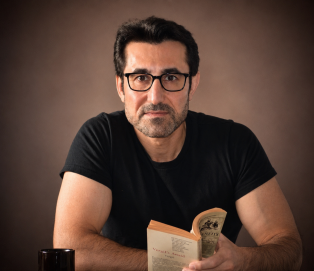
Hilmi M. Dawood is an Iraqi poet, writer, and lyricist who writes in Arabic, French, and English. His work brings together poetry, journalism, translation, and language education, guided by the belief that words possess the power to cross borders, bridge cultures, and create meaningful connections between people and the world.
He began publishing his poetry in Iraqi and Arab newspapers during the 1990s before earning a Bachelor’s degree in French Language from the College of Languages at the University of Baghdad in 1998. He subsequently taught French at the University of Baghdad’s College of Languages and later joined the French Cultural Institute in Baghdad, where he continued teaching French until 2005.
In 2001, he completed a specialized program in literary translation at the Center for Translation and Literary Studies in Arles, southern France. Following this training, he translated Love, Poetry, Wisdom by the French philosopher Edgar Morin into Arabic. In the summer ...
Hilmi M. Dawood is an Iraqi poet, writer, and lyricist who writes in Arabic, French, and English. His work brings together poetry, journalism, translation, and language education, guided by the belief that words possess the power to cross borders, bridge cultures, and create meaningful connections between people and the world.
He began publishing his poetry in Iraqi and Arab newspapers during the 1990s before earning a Bachelor’s degree in French Language from the College of Languages at the University of Baghdad in 1998. He subsequently taught French at the University of Baghdad’s College of Languages and later joined the French Cultural Institute in Baghdad, where he continued teaching French until 2005.
In 2001, he completed a specialized program in literary translation at the Center for Translation and Literary Studies in Arles, southern France. Following this training, he translated Love, Poetry, Wisdom by the French philosopher Edgar Morin into Arabic. In the summer of 2003, he also participated in an advanced professional development program for teachers of French in Besançon, France, an experience that further strengthened both his academic career and his engagement with French culture.
Alongside his literary work, Dawood worked as a correspondent and journalist for the French organization Reporters Without Borders between 2003 and 2005. He also collaborated with Agence France-Presse (AFP) on news reporting and worked as a translator for the French newspapers Le Monde and Le Nouvel Observateur. In 2004, he played a principal role in the French documentary Baghdad Diaries (Journal de Bagdad), directed by Romain Goupil and broadcast on the Franco-German cultural television network ARTE.
After returning from France in 2005, he began writing, in French, a personal chronicle documenting his life and his family’s experiences in Baghdad. The first chapter, together with several essays, was published on his blog hosted by Le Nouvel Observateur. He later lived in Switzerland for two years before settling permanently in the United States in 2008.
He currently serves as an Arabic Language and Culture Instructor at the U.S. diplomatic training institute in Washington, D.C., where he teaches Arabic language and culture, drawing on many years of experience in language instruction and intercultural communication.
Alongside his academic career, Hilmi M. Dawood continues to pursue his literary vocation by writing poetry and song lyrics. He is currently preparing his first poetry collection for publication while developing an artistic project that unites poetry, music, and contemporary creative technologies. His work reflects his conviction that a poem can be read, heard, and seen at the same time. He has released several multimedia poetic works that combine verse with music and visual storytelling, sharing them with readers and listeners through his digital platforms.
Hilmi M. Dawood believes that poetry is not merely a way of describing the world but a means of discovering it. A poem, in his view, is not written to express what we already know, but to reveal what has long lived within us in silence. His continuing artistic journey seeks a language in which words meet music and poetry becomes a profoundly human experience that extends beyond the printed page into the realms of sound and image.
On Writing
I do not write poetry to describe what I feel. I write it to discover what I have never lived, and what had long dwelled within me without my knowing.
A Reflection on Why I Write
I write about love when it becomes memory; about longing when it turns into an invitation to depart; about absence when it transforms into presence; about meaning when it discovers its own music; and about the cities that inhabit me more deeply than I inhabit them.
That is why I do not search for words within a poem. I search for myself. Along the way, the poems are born—and then continue on their own journey, until they find their music.
حلمي م. داود شاعر وكاتب وكاتب غنائي من العراق، يكتب بالعربية والفرنسية والإنجليزية، ويجمع في تجربته بين الشعر، والصحافة، والترجمة، وتعليم اللغات، مؤمناً بأن الكلمة قادرة على عبور الحدود والثقافات وصناعة الجسور بين الإنسان والعالم.
بدأ نشر قصائده في الصحف العراقية والعربية خلال تسعينيات القرن الماضي، قبل أن يحصل على شهادة البكالوريوس في اللغة الفرنسية من كلية اللغات بجامعة بغداد عام 1998. عمل بعد ذلك أستاذاً للغة الفرنسية في كلية اللغات بجامعة بغداد، ثم انتقل إلى المعهد الثقافي الفرنسي في بغداد، حيث واصل تدريس اللغة الفرنسية حتى عام 2005.
في عام 2001 أكمل دورة متخصصة في الترجمة الأدبية بمركز الترجمة والدراسات الأدبية في مدينة آرل بجنوب فرنسا، ترجم على إثرها كتاب «الحب والشعر والحكمة» للفيلسوف الفرنسي إدغار موران. كما شارك في صيف عام 2003 في دورة متقدمة بمدينة بيزانسون الفرنسية لإعداد وتطوير مدرّسي اللغة الفرنسية، الأمر الذي عزّز مسيرته الأكاديمية وانفتاحه على الثقافة الفرنسية.
إلى جانب نشاطه الأدبي، عمل مراسلاً وصحفياً لمنظمة مراسلون بلا حدود الفرنسية بين عامي 2003 و2005، كما تعاون مع وكالة الصحافة الفرنسية (AFP) في إعداد تقارير صحفية، وعمل مترجماً مع صحيفتي لوموند ولونوفيل أوبسرفاتور الفرنسيتين. وفي عام 2004 شارك بدور رئيسي في الفيلم الوثائقي «يوميات بغداد» للمخرج الفرنسي رومان كوبيل، الذي عُرض على القناة الثقافية الفرنسية الألمانية ARTE.
بعد عودته من فرنسا عام 2005، بدأ كتابة يومياته ويوميات أسرته في بغداد باللغة الفرنسية، ونشر الفصل الأول منها، إلى جانب عدد من المقالات، على مدونته في موقع لونوفيل أوبسرفاتور. ثم عاش في سويسرا لمدة عامين قبل أن ينتقل عام 2008 للإقامة نهائيا في الولايات المتحدة الأمريكية.
يشغل حالياً منصب أستاذ اللغة العربية والثقافة العربية في المعهد الدبلوماسي في واشنطن، حيث يدرّس اللغة والثقافة العربية، مستفيداً من خبرة تمتد لسنوات في تعليم اللغات والتواصل بين الثقافات.
إلى جانب عمله الأكاديمي، يواصل حلمي م. داود مشروعه الأدبي، فيكتب الشعر والنصوص الغنائية، ويعمل على إصدار ديوان شعري قيد الإعداد، كما يقدّم أعماله عبر مشروع فني يمزج بين الشعر والموسيقى والتقنيات الإبداعية الحديثة، إيماناً منه بأن القصيدة يمكن أن تُقرأ، وتُسمع، وتُرى في آن واحد. وقد أصدر عدداً من الأعمال الشعرية والموسيقية المصوّرة، ويشارك جمهوره نصوصه وإبداعاته عبر منصاته الرقمية.
يرى حلمي م. داود أن الشعر ليس وصفاً للعالم، بل وسيلة لاكتشافه، وأن القصيدة لا تُكتب لتقول ما نعرفه، بل لتكشف ما كان يسكننا في صمت. لذلك يواصل البحث عن لغةٍ تلتقي فيها الكلمة بالموسيقى، ويغدو فيها الشعر تجربةً إنسانيةً تتجاوز حدود الصفحة إلى فضاءات الصوت والصورة.
عن الكتابة
لا أكتبُ الشعرَ لأصفَ ما أشعرُ به، بل لأكتشفَ ما لم أعِشْهُ، وما كان يسكنُني دون أن أدري.
أكتبُ عن الحبِّ حين يُصبحُ ذاكرةً، وعن الحنينِ حين يصيرُ دعوةً إلى الرحيل، وعن الغيابِ حين يتحوَّلُ حضورًا، وعن المعنى حين يجدُ موسيقاه، وعن المدنِ التي تسكنُني أكثرَ مما أسكنُها.
لذلك، لا أبحثُ في القصيدة عن الكلمات، بل أبحثُ عن نفسي. وفي الطريق، تولدُ القصائد، ثم تمضي لتجدَ موسيقاها.
 English
  Spanish